|
literacle = literary + article
Reading works of literature and writing articles on them has always been a pleasure to me. This website will be a means for me, and for you, if you like, to enjoy and share this pleasure with others.
Looking for a good domain name, I coined the term literacle, and I hope it suits well with the content.
|
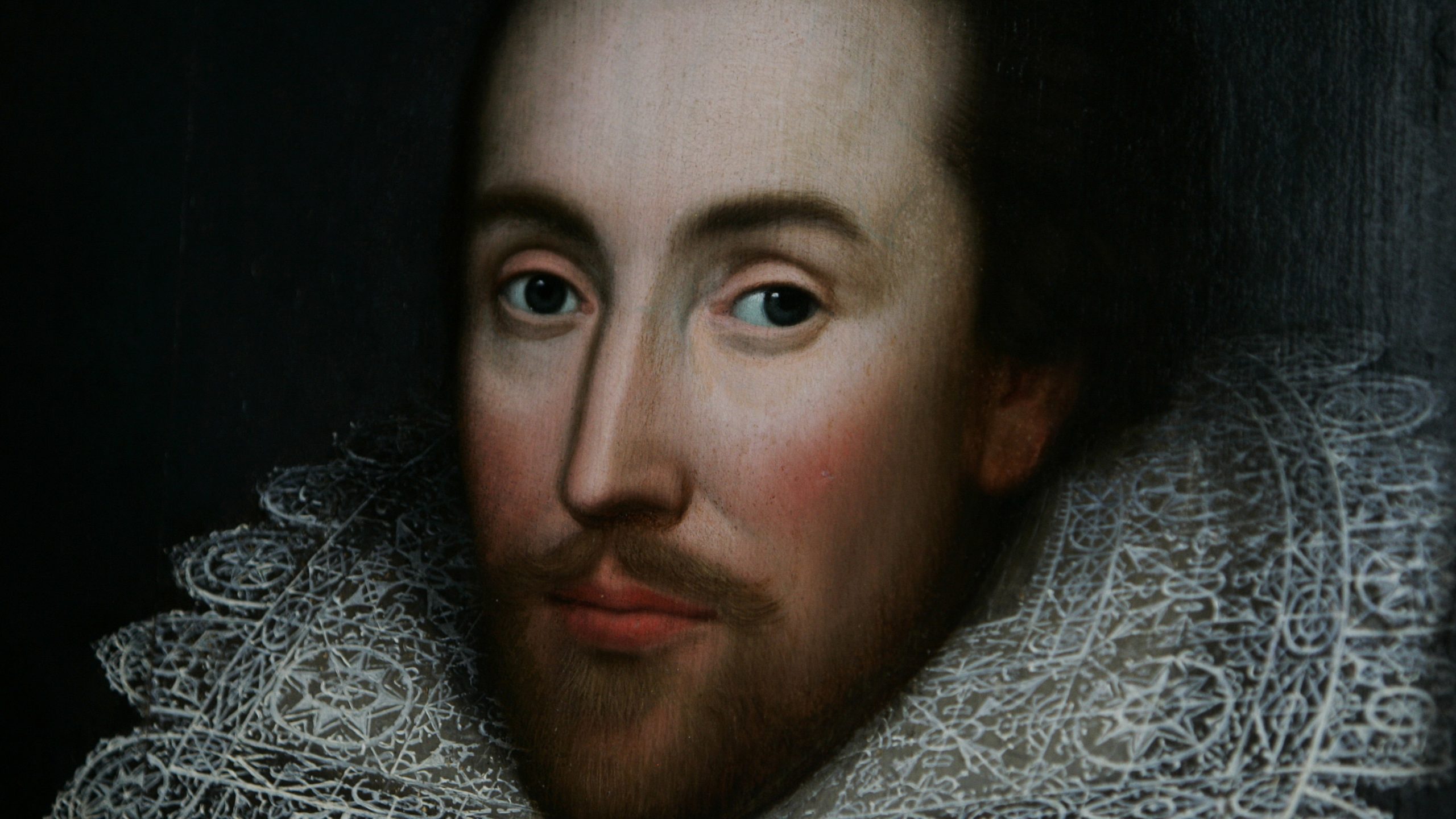
An Analysis on Shakespeare's Julius Caesar Act I Scene II |
Urge to Kill: Julius Caesar 3/3 |
|
We
have completed and published our article on Shakespeare's
Julius Caesar Act I Scene II. In this part of the famous tragedy, we see Cassius tyring to persuade Brutus into joining him in his cause against Caesar. It is revealed to us that
Cassius' intentions are evil and are basically brought about by his
jealousy. We are also given a chance to analyze Caesar's character
through his words.Part I Part II |
Shakespeare's Julius Caesar Act III Scene III is a perfect dramatization of an urge to kill. It is the citizens of Rome, who, after being revealed the truth, are in search for conspirators. It doesn't actually matter for them who their victim will be. They have
one thought and feeling: to kill. Even a poet, Cinna the poet, is
accused of being a conspirator and then immediately murdered. Click to read>>> |
|
The Man Who Found The Truth |
Denial and Belief in Lazarus by Leonid Andreyev |
|
Our new article Power and Submission in Leonid Andreyev's The Man Who Found The Truth is online. Story of a man who was found guilty of murdering his family and jailed at the bloom of his youth and success, it leads us to question the firmness of the grounds on which we base our lives. To the article>>> |
Naturally I expected the story to be a representation of the historical Lazarus of Bethany who was "miraculously raised from the dead" by Jesus Christ. It was, as you might guess, quite contrary to my expectation. It was not the well-known story of the man raised from the dead; but it was the story of people buried alive in death. The focus of the article is on an initial denial of death and then an ultimate surrender and belief in death. Throughout the story, death is
represented as a god, and Lazarus appears to be his messenger. To the article>>> |
|
Gulliver's Travels: A Satire |
La Belle Dame avec Merci |
 |
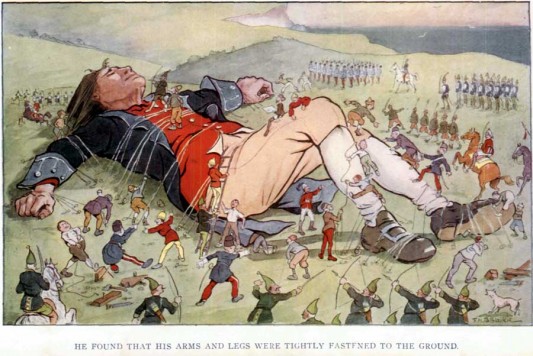
The fantastic story of Gulliver's Travels were written as a satire on eighteenth century England by the Irish writer Jonathan Swift, which he admitted just before his death. Here is an article which deals with the work in this respect. Click here to read it. |
 |
Perhaps the only piece of true
poetry that I have ever written. Its title I adopted from the famous
poem La Belle Dame Sans Mercy by John Keats. Click here to view it. I hope you will like it. |
|
Mild Mild West |
King Edward II of England |
| An article, not strictly literary, about the Wild West myth. Americans were allured by the idea of the wild west, which represented endless improvement and provided some sort of base for unity and consolidation for the American society. This article, whose name was inspired by Will Smith's Wild Wild West, is an analysis on the concept, questioning how wild the west actually was. Click here to read it. |
 |
An article on the personality of the English king Edward II. Of the three successive Edwards, this one seems to be the least popular. This article details the causes behind his being so different a king. Click to read. | |